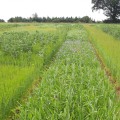
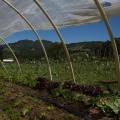
Sustainable farming represents a transformative approach to agriculture that prioritizes the health of our planet while ensuring food security for future generations. At its core, sustainable farming is defined as agricultural practices that are environmentally sound, economically viable, and socially responsible. This holistic approach not only focuses on maximizing crop yields but also emphasizes the importance of maintaining ecological balance and promoting biodiversity. By integrating methods that work in harmony with nature, sustainable farming seeks to mitigate the adverse effects of conventional agricultural practices, which often lead to soil degradation, water scarcity, and loss of biodiversity.The significance of sustainable farming cannot be overstated in today’s context.
As the global population continues to rise, the demand for food increases exponentially. However, traditional farming methods frequently rely on chemical fertilizers and pesticides that can harm ecosystems and human health. Sustainable farming offers a solution by utilizing organic practices, crop rotation, and permaculture techniques that enhance soil fertility and reduce dependency on harmful chemicals. This not only leads to healthier crops but also fosters a resilient agricultural system capable of withstanding climate change impacts.Moreover, sustainable farming plays a crucial role in promoting social equity within communities.
By supporting local farmers and encouraging practices such as subsistence farming, it empowers individuals to grow their own food and become less reliant on industrial agriculture. This shift not only enhances food sovereignty but also strengthens local economies by keeping resources within communities. In essence, sustainable farming is not just about producing food; it is about cultivating a future where environmental health, economic stability, and social justice coexist harmoniously.
What is Subsistence Farming?
Subsistence farming
is a traditional agricultural practice where farmers grow food primarily for their own consumption rather than for sale in the market. This method of farming is characterized by its focus on self-sufficiency, allowing families and communities to meet their basic nutritional needs without relying heavily on external resources or commercial agriculture.The definition of subsistence farming can vary slightly depending on the region and cultural context, but it generally encompasses small-scale farming operations that prioritize local food production.
Farmers typically cultivate a variety of crops and may also raise livestock, ensuring a diverse diet that can adapt to seasonal changes and environmental conditions.There are several types of subsistence farming , each with unique characteristics:
- Shifting Cultivation: Also known as slash-and-burn agriculture, this method involves clearing a piece of land, cultivating it for a few years, and then moving to a new area once soil fertility declines. This practice is common in tropical regions.
- Intensive Subsistence Farming: This type focuses on maximizing yield from small plots of land through careful management and labor-intensive practices. Farmers often use techniques such as crop rotation and intercropping to enhance productivity.
- Pastoralism: In this system, communities rely on herding animals for food, clothing, and shelter. Pastoralists often migrate seasonally to find fresh pastures for their livestock.
- Mixed Farming: This approach combines crop cultivation with livestock rearing, allowing farmers to diversify their sources of food and income while maintaining soil health through natural fertilization from animal waste.
It not only provides food security but also fosters cultural traditions and sustainable practices that have been passed down through generations. As global challenges such as climate change and economic instability continue to rise, understanding the significance of subsistence farming becomes increasingly important in discussions about sustainable agriculture and food systems.
The Role of Subsistence Farming in Sustainable Agriculture
Subsistence farming plays a crucial role in the broader context of sustainable agriculture, serving as a lifeline for many rural communities around the world. This form of agriculture is primarily focused on producing enough food to meet the needs of the farmer's family, rather than generating surplus for sale. As such, it embodies several principles of sustainability that are essential for both local ecosystems and community resilience.Benefits of Subsistence Farming
- Food Security: By relying on local resources and traditional farming methods, subsistence farmers can ensure a steady supply of food for their families.
This reduces dependence on external food sources, which can be vulnerable to market fluctuations and global supply chain disruptions.
- Biodiversity Preservation: Subsistence farming often involves the cultivation of a variety of crops, which helps maintain genetic diversity. This diversity is vital for ecosystem health and resilience, allowing communities to adapt to changing environmental conditions.
- Soil Health: Many subsistence farmers practice crop rotation and intercropping, techniques that enhance soil fertility and structure. These practices reduce the need for chemical fertilizers and pesticides, promoting healthier soils that can sustain agricultural productivity over time.
- Cultural Heritage: Subsistence farming is deeply intertwined with local cultures and traditions. By maintaining these practices, communities preserve their cultural identity and knowledge systems, which are often passed down through generations.
Sustainable Practices in Subsistence Farming
Subsistence farmers often employ a range of sustainable practices that align with the principles of sustainable agriculture:
- Organic Methods: Many subsistence farmers utilize organic farming techniques, avoiding synthetic chemicals in favor of natural fertilizers and pest control methods. Many subsistence farmers utilize organic farming techniques, avoiding synthetic chemicals in favor of natural fertilizers and pest control methods.
This not only protects the environment but also enhances the quality of food produced.
- Water Conservation: Techniques such as rainwater harvesting and drip irrigation are commonly used to optimize water use. These methods help ensure that water resources are managed sustainably, particularly in regions prone to drought.
- Agroforestry: Integrating trees into farming systems can provide shade, improve soil quality, and enhance biodiversity. Agroforestry practices help create more resilient agricultural systems that can withstand climate variability.
Benefits of Sustainable Farming Practices
Sustainable farming practices offer a multitude of benefits that extend beyond mere agricultural productivity.These advantages can be categorized into three primary areas: environmental, social, and economic.
Environmental Benefits
One of the most significant advantages of sustainable farming is its positive impact on the environment. By utilizing methods such as crop rotation, organic fertilizers, and integrated pest management, sustainable farmers can:- Enhance Soil Health: Practices like cover cropping and reduced tillage improve soil structure and fertility, leading to better water retention and reduced erosion.
- Conserve Water: Sustainable techniques often include rainwater harvesting and drip irrigation, which minimize water waste and promote efficient usage.
- Reduce Carbon Footprint: By decreasing reliance on synthetic fertilizers and pesticides, sustainable farming lowers greenhouse gas emissions associated with their production and application.
- Promote Biodiversity: Diverse cropping systems support a wider range of plant and animal species, contributing to ecosystem resilience.
Social Benefits
Sustainable farming also fosters social equity and community well-being. This approach encourages:- Local Food Systems: By prioritizing local markets, sustainable farms strengthen community ties and reduce food miles, which enhances food security.
- Fair Labor Practices: Many sustainable farms emphasize fair wages and working conditions, promoting social justice within agricultural communities.
- Education and Awareness: Sustainable farming practices often involve community engagement initiatives that educate consumers about food sources and environmental stewardship.
Economic Benefits
The economic viability of sustainable farming is another compelling reason for its adoption. Key economic benefits include:- Diverse Income Streams: Sustainable farms can diversify their products, offering everything from organic vegetables to artisanal goods, which can stabilize income.
- Reduced Input Costs: By minimizing the use of expensive chemical inputs, farmers can lower their operational costs while maintaining productivity.
- Market Demand: As consumer awareness grows regarding the importance of sustainability, there is an increasing demand for organic and sustainably produced goods, allowing farmers to command premium prices.
They not only contribute to environmental preservation but also promote social equity and enhance economic viability. By embracing these practices, we can pave the way for a more sustainable future in agriculture.
Challenges Facing Sustainable and Subsistence Farmers
Sustainable and subsistence farmers are increasingly confronted with a myriad of challenges that threaten their livelihoods and the environment. Understanding these obstacles is crucial for developing effective strategies to support these vital agricultural practices.Climate Change
is perhaps the most pressing issue facing farmers today. Erratic weather patterns, including prolonged droughts, intense storms, and shifting growing seasons, can devastate crops and reduce yields.
For subsistence farmers, who often rely on a limited variety of crops for their food security, these changes can be catastrophic. The unpredictability of climate impacts not only affects crop production but also complicates planning and resource management.Another significant challenge is market pressures. Many sustainable and subsistence farmers operate in a global market that favors large-scale industrial agriculture. This often leads to lower prices for their products, making it difficult for them to compete.
Additionally, the demand for organic and sustainably produced goods can fluctuate, leaving farmers vulnerable to economic instability. Without access to fair markets, many small-scale farmers struggle to maintain their operations.
Access to Resources
is another critical barrier. Sustainable farming practices often require specific inputs such as organic seeds, natural fertilizers, and sustainable pest management solutions. However, many subsistence farmers lack access to these resources due to financial constraints or limited availability in their regions.
This lack of access can hinder their ability to adopt more sustainable practices that could improve their productivity and environmental impact.Furthermore, knowledge gaps can impede progress. Many subsistence farmers may not have access to the latest research or training on sustainable farming techniques. This lack of information can prevent them from implementing best practices that could enhance their resilience against climate change and market fluctuations.To address these challenges, several solutions can be considered:
- Education and Training: Providing farmers with access to training programs on sustainable practices can empower them to make informed decisions that enhance productivity and sustainability.
- Financial Support: Governments and organizations can offer grants or low-interest loans specifically aimed at supporting sustainable farming initiatives.
- Market Access: Creating cooperatives or local markets can help subsistence farmers gain better access to consumers who value sustainably produced goods.
- Research and Development: Investing in agricultural research focused on sustainable practices tailored for small-scale farmers can lead to innovative solutions that address specific regional challenges.
Innovative Techniques in Sustainable Subsistence Farming
In the realm of subsistence farming, innovative techniques are crucial for enhancing sustainability and ensuring food security for communities that rely on these practices. By integrating modern technology with traditional methods, farmers can improve their yields while minimizing environmental impact.One of the most promising advancements is the use of permaculture.This holistic approach designs agricultural systems that mimic natural ecosystems, promoting biodiversity and resilience. By creating a self-sustaining environment, permaculture reduces the need for chemical inputs and enhances soil health. Farmers can implement techniques such as:
- Companion planting: Growing different crops together to enhance growth and deter pests.
- Mulching: Using organic materials to cover the soil, which helps retain moisture and suppress weeds.
- Crop rotation: Alternating crops in a specific sequence to improve soil fertility and reduce disease.
By utilizing this technology, subsistence farmers can:
- Conserve water resources in arid regions.
- Enhance crop yields by providing consistent moisture levels.
- Reduce weed growth, as water is applied only where needed.
- Receive real-time weather updates to plan planting and harvesting.
- Access market prices to make informed selling decisions.
- Connect with agricultural experts for advice on sustainable practices.
The combination of traditional knowledge with modern technology paves the way for a more sustainable agricultural future.
Case Studies: Successful Examples of Sustainable Subsistence Farming
Across the globe, numerous examples of sustainable subsistence farming illustrate how communities can thrive while maintaining ecological balance. These case studies not only highlight successful practices but also provide valuable lessons for others looking to adopt similar methods.1.The Zai Technique in Burkina Faso
In Burkina Faso, farmers have successfully implemented the Zai technique, a traditional method that involves digging small pits to capture rainwater and concentrate nutrients. This practice has transformed arid land into productive fields, allowing farmers to grow crops like millet and sorghum even in challenging climates. By enhancing soil fertility and moisture retention, the Zai technique exemplifies how sustainable practices can lead to food security in regions prone to drought.
2.Agroecology in Cuba
After the collapse of the Soviet Union, Cuba faced severe food shortages.
In response, the country shifted towards agroecological practices, emphasizing local food production through organic farming methods. Community gardens and urban farms flourished, utilizing composting and crop rotation to maintain soil health. This transition not only improved food availability but also fostered community resilience and reduced reliance on imported goods.
3.The Three Sisters Method in North America
The Three Sisters method, practiced by Indigenous peoples in North America, involves planting corn, beans, and squash together. This symbiotic relationship enhances soil fertility and maximizes space efficiency.
The corn provides a natural trellis for the beans, while the squash's broad leaves suppress weeds and retain moisture. This ancient practice showcases how traditional knowledge can inform modern sustainable farming techniques.
4.Permaculture in Australia
In Australia, permaculture farms have emerged as models of sustainability. These farms integrate various agricultural practices with natural ecosystems to create self-sustaining environments. For instance, the Permaculture Research Institute demonstrates how diverse plantings can improve biodiversity while providing food for local communities.
By mimicking natural systems, these farms reduce waste and enhance resilience against climate change.
5.Community Supported Agriculture (CSA) in Europe
Community Supported Agriculture (CSA) initiatives across Europe have successfully connected consumers with local farmers. By purchasing shares of a farm's harvest upfront, community members support sustainable practices while receiving fresh produce throughout the season. This model not only strengthens local economies but also promotes awareness of sustainable farming methods among consumers.These case studies exemplify the potential of sustainable subsistence farming to address food security challenges while promoting environmental stewardship. By learning from these successful examples, other communities can adopt similar practices tailored to their unique circumstances.
The Future of Sustainable Farming and Subsistence Practices
As we look towards the future of sustainable farming, it is essential to recognize the pivotal role that subsistence farming will play in shaping agricultural practices.With the global population projected to reach nearly 10 billion by 2050, the demand for food will increase significantly, necessitating innovative approaches to agriculture that prioritize sustainability and resilience.One of the most promising trends in sustainable agriculture is the integration of technology into subsistence farming. Farmers are increasingly adopting precision agriculture techniques, which utilize data analytics and IoT (Internet of Things) devices to optimize crop yields while minimizing resource use. This technology allows farmers to monitor soil health, weather patterns, and crop conditions in real-time, enabling them to make informed decisions that enhance productivity without compromising environmental integrity.Moreover, regenerative agriculture is gaining traction as a viable alternative to conventional farming methods. This approach focuses on restoring soil health, increasing biodiversity, and improving water retention through practices such as cover cropping, crop rotation, and agroforestry.
By embracing regenerative techniques, subsistence farmers can not only sustain their livelihoods but also contribute positively to the ecosystem.Another significant trend is the rise of community-supported agriculture (CSA) models. These initiatives foster direct relationships between farmers and consumers, allowing communities to support local food systems while ensuring that farmers receive fair compensation for their produce. As awareness of food security issues grows, more consumers are likely to seek out local sources of food, further bolstering the viability of subsistence farming.Looking ahead, predictions for sustainable farming practices suggest a shift towards more localized food systems. Urban agriculture is expected to expand as cities seek to reduce their carbon footprints and enhance food sovereignty.
Vertical farms and rooftop gardens are becoming increasingly popular in urban settings, providing fresh produce while utilizing minimal space and resources.In conclusion, the future of sustainable farming and subsistence practices is bright, driven by technological advancements, community engagement, and a commitment to environmental stewardship. By embracing these trends, we can pave the way for a more resilient agricultural landscape that meets the needs of both people and the planet.
Conclusion: Embracing Sustainable Farming for a Greener Future
In conclusion, the journey towards a greener future is intricately linked to the adoption of sustainable farming practices, particularly subsistence farming. This approach not only addresses the immediate needs of local communities but also contributes significantly to environmental preservation and biodiversity. By prioritizing methods that are in harmony with nature, we can ensure that agricultural practices do not deplete our natural resources but rather enhance them.Throughout this article, we have explored various aspects of sustainable agriculture, emphasizing its potential to create a balanced ecosystem.The integration of renewable resources, such as solar and wind energy, into farming operations exemplifies how modern technology can coexist with traditional practices. This synergy is crucial for reducing our carbon footprint and promoting a healthier planet.Moreover, subsistence farming plays a vital role in food security, especially in developing regions. By empowering local farmers to grow their own food using sustainable methods, we can reduce dependency on industrial agriculture, which often leads to environmental degradation. This shift not only supports local economies but also fosters community resilience against climate change.As we move forward, it is essential for governments, organizations, and individuals to champion sustainable practices.
This includes investing in education and resources for farmers to adopt eco-friendly techniques and advocating for policies that support sustainable agriculture. By doing so, we can cultivate a food system that prioritizes health, sustainability, and equity.Ultimately, embracing sustainable and subsistence farming is not just an option; it is a necessity for ensuring the well-being of future generations. As stewards of the earth, we have a responsibility to protect our environment while meeting the needs of our communities. Together, we can pave the way for a more sustainable agricultural landscape that benefits both people and the planet.